admin
admin 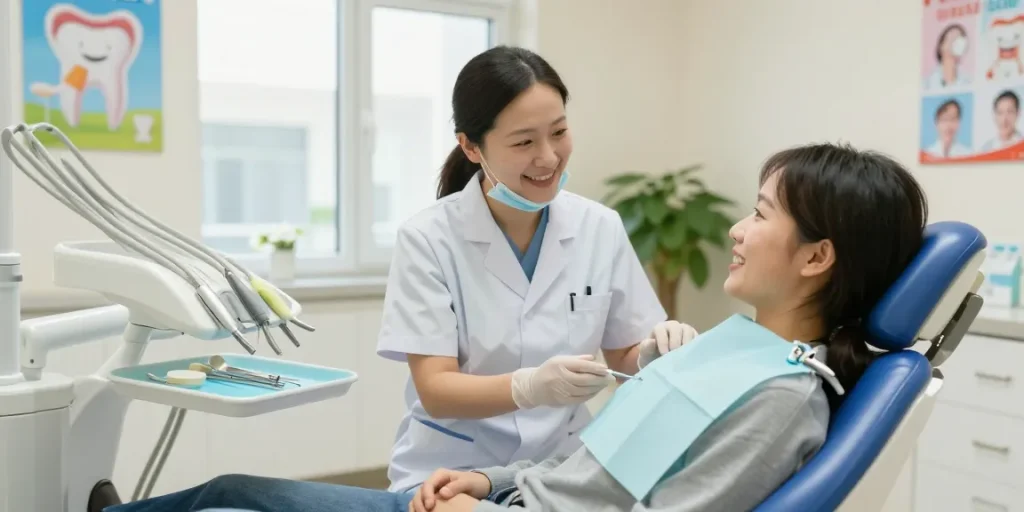
Understanding the Importance of Regular Dental Check-Ups
Maintaining good oral health is crucial for overall well-being. Regular dental check-ups are the cornerstone of preventive dental care. These appointments allow for early detection of potential dental issues, which can save you time, money, and discomfort in the long run. By prioritizing routine visits, patients can not only keep their smiles bright but also contribute to their long-term health. If you’re looking to enhance your dental experience, discover more here about how to book your next appointment seamlessly.
Why Regular Visits Matter for Oral Health?
Regular dental visits help to maintain optimal oral health by allowing professionals to perform thorough cleanings and examinations. Dental professionals can identify issues such as cavities, gum disease, and oral cancers in their early stages, which significantly increases the chances of successful treatment.
Common Dental Issues Prevented by Routine Check-Ups
- Cavities: Regular cleanings and fluoride treatments can prevent the occurrence of cavities.
- Gum Disease: Early detection through cleanings helps to stop gum disease before it becomes serious.
- Oral Cancer: Regular check-ups allow for early detection of conditions that could lead to oral cancer.
How Often Should You Schedule an Appointment?
The American Dental Association recommends that individuals visit the dentist every six months for optimal oral health, though some may require more frequent visits due to specific health conditions or personal dental care needs. Listening to your dentist’s recommendations based on your unique circumstances is essential.
Finding the Right Dentist for Your Needs
Choosing the right dentist is a significant part of managing your oral health. The right provider can make all the difference in your dental experience, from comfort levels to the quality of care provided. Start your search by understanding your specific dental needs, whether it’s routine care, orthodontics, or cosmetic dentistry.
What to Look for in a Dental Provider?
- Qualifications and Experience: Look for dentists who are certified and have a good reputation in your area.
- Services Offered: Ensure that the dentist offers the specific services you require.
- Office Environment: Visit the dental practice to gauge the atmosphere and staff friendliness.
- Accessibility: Consider the location and if the hours fit your schedule.
How to Research and Compare Local Dentists?
Utilize online resources to gather information about local dentists. Websites like Dentee can simplify your research by allowing you to filter your search based on your location, insurance plans, and specific dental needs. Reviews from previous patients can also provide insight into the quality of care provided.
Reading Reviews: What Patients Are Saying
Patient reviews can be invaluable when choosing a dentist. Look for consistent patterns in feedback regarding the quality of service, wait times, and dentist-patient communication. Websites dedicated to healthcare reviews can provide a broader perspective on what to expect.
The Appointment Booking Process Made Easy
The process of booking a dental appointment has evolved significantly with technology. Many dental practices now offer online booking platforms that allow patients to schedule their visits at their convenience, making dental care more accessible than ever.
Utilizing Online Platforms for Quick Bookings
Online platforms allow you to view available time slots, read about the dentist, and even fill out necessary paperwork ahead of time. This convenience helps reduce anxiety associated with visiting the dentist, especially for those who might be apprehensive about dental visits.
Real-Time Availability: How It Works
Real-time appointment systems help manage schedules efficiently. Patients can check when a dentist is available without the hassle of playing phone tag, ensuring they find a time that works for them without delays.
Preparing for Your First Visit: Tips and Tricks
Preparation can make your first dental visit smoother. Gather your health history, including medications and any previous dental records. Prepare a list of questions or concerns you’d like to address with your dentist, ensuring that you make the most of your appointment.
Maximizing Your Dental Visits for Optimal Care
Once you’ve selected your dentist and scheduled an appointment, maximizing your visits can lead to better oral health outcomes. Being proactive in managing your dental care will ensure you receive the best possible treatment.
Questions to Ask Your Dentist During Appointments
- What can I do to improve my oral health?
- Are there any specific treatments you recommend for my condition?
- How can I prevent issues like cavities or gum disease?
Understanding Treatment Plans and Costs
When your dentist presents a treatment plan, ensure you have a clear understanding of what is involved. Ask for detailed explanations of the costs, insurance coverage, and payment options available to you.
Follow-Up Care: What to Expect After Your Appointment?
After your visit, follow-up care is crucial. This may include instructions for aftercare following treatments or setting up follow-up appointments. Adhering to these guidelines helps maintain the benefits of your dental visit and ensures optimal oral health moving forward.
Future Trends in Dental Care Technologies
The dental industry is continually evolving, with advancements in technology transforming dental care. Staying informed on these trends can help you better prepare for your future dental visits and improve your overall experience.
Innovations That Will Change How We Visit the Dentist
Technologies such as 3D printing, laser dentistry, and improved imaging techniques are making dental procedures less invasive and more effective. These innovations are likely to become commonplace in dental practices by 2026, ensuring that patients receive the best care available.
Telehealth and Its Role in Dental Consultations
Telehealth is rapidly gaining traction in the healthcare industry, including dentistry. Virtual consultations allow patients to discuss concerns with their dentist from the comfort of their home, making it easier to seek guidance for non-emergency issues without scheduling an in-person visit.
What Patients Can Expect in 2026 and Beyond?
As technology continues to advance, patients can expect more personalized and efficient dental care. Artificial intelligence may play a significant role in diagnostics and treatment planning, while virtual reality could be used for pain management during procedures.
What Should You Do in Case of a Dental Emergency?
Understanding how to handle dental emergencies is vital. Keep your dentist’s contact information handy and know the nearest urgent dental care facility available to you. Quick responses can help save a tooth or prevent more severe complications.
How to Maintain Oral Hygiene Between Visits?
Good oral hygiene practices at home are essential. Brush your teeth at least twice a day, floss daily, and use mouthwash to help reduce plaque buildup. Regular maintenance between dental visits is critical for sustaining your oral health.