admin
admin 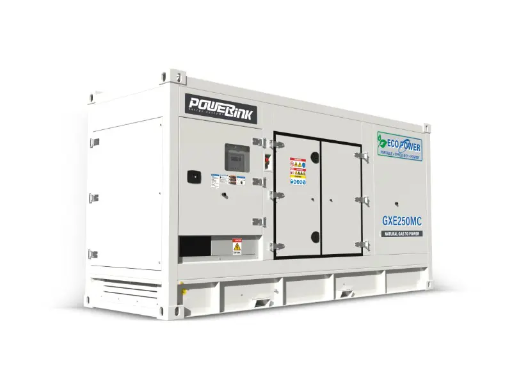
As global energy demands continue to increase, industries and businesses are searching for power solutions that offer reliability, efficiency, and improved environmental performance. Traditional energy sources are facing challenges related to fuel costs, emissions, and long-term sustainability. In response, gas engine technology is becoming an important part of the future of modern power generation.
A gas engine generator provides an effective balance between dependable electricity production and cleaner energy operation. With advanced designs and improved efficiency, these systems are helping organizations move toward more sustainable power strategies while maintaining stable energy supply.
- The Growing Role of Gas Engines in Modern Energy Systems
- Why Gas Engines Are Considered a Sustainable Solution
- Benefits of Gas Engine Power Generation
- The Connection Between Gas Engines and Future Energy Trends
- Choosing the Right Gas Engine Power Solution
- The Future Outlook of Gas-Powered Generation
- Conclusion
The Growing Role of Gas Engines in Modern Energy Systems
Power generation plays a critical role in industrial operations, commercial facilities, and essential infrastructure. As organizations focus on reducing energy waste and improving efficiency, flexible generation technologies are becoming increasingly valuable.
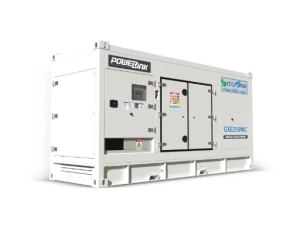
A gas engine generator converts natural gas or other gaseous fuels into electrical power through an efficient combustion process. These systems are designed to provide consistent energy output while supporting a wide range of applications, from backup power to continuous energy production.
Why Gas Engines Are Considered a Sustainable Solution
Sustainability is becoming a major priority for businesses around the world. Energy systems must now deliver reliable performance while minimizing environmental impact.
Gas engine-based power solutions support this transition through:
-
Improved fuel efficiency
-
Reduced energy waste
-
Lower emissions compared to some traditional fuels
-
Flexible operation
-
Reliable electricity production
By using advanced combustion technology, gas engines help facilities achieve better energy management and reduce their overall environmental footprint.
Benefits of Gas Engine Power Generation
High Energy Efficiency
One of the biggest advantages of gas engine systems is their ability to use fuel efficiently. Modern engines are designed to extract more usable energy from fuel while reducing unnecessary losses.
A gas powered generator can deliver stable electricity for industrial and commercial operations while maintaining efficient fuel consumption. This makes it a practical choice for organizations seeking long-term energy savings.
Reliable and Continuous Power Supply
Many industries require uninterrupted electricity to maintain production and protect critical equipment. Gas engine systems provide a dependable power source that can operate continuously when properly maintained.
Whether used as a primary energy source or backup solution, these systems help reduce the risks associated with power interruptions.
Support for Cleaner Energy Goals
Businesses are increasingly working toward sustainability targets and cleaner operational practices. Natural gas-powered systems can help reduce emissions compared to some conventional fossil fuel-based generation methods.
When integrated with efficient energy management strategies, gas engine technology supports the move toward more responsible power production.
Flexible Applications
Gas engine solutions can be adapted to different energy requirements. They are suitable for various environments, including:
-
Manufacturing facilities
-
Commercial buildings
-
Data centers
-
Healthcare facilities
-
Agricultural operations
-
Industrial plants
-
Energy projects
This flexibility allows businesses to select power solutions that match their specific operational needs.
The Connection Between Gas Engines and Future Energy Trends
The future of energy generation is focused on efficiency, flexibility, and sustainability. Gas engines are expected to continue playing an important role because they can support changing energy demands while integrating with modern power systems.
Many organizations are combining gas engine technology with renewable energy sources to create balanced energy solutions. These hybrid approaches allow facilities to maintain reliability while gradually moving toward cleaner energy models.
Choosing the Right Gas Engine Power Solution
Selecting the right system requires careful evaluation of power requirements, fuel availability, operating conditions, and maintenance needs.
A properly designed gas engine generator should match the facility’s energy demand while providing efficient and dependable performance. Advanced monitoring systems and smart controls can further improve operational efficiency by tracking performance and optimizing energy usage.
Working with experienced energy providers helps businesses choose solutions that deliver both immediate benefits and long-term value.
The Future Outlook of Gas-Powered Generation
As energy challenges continue to evolve, gas engine technology will remain an important part of the global power landscape. Improvements in engine efficiency, emissions control, and system integration are making these solutions more effective than ever.
The combination of reliable performance and sustainable operation positions gas engines as a valuable option for future energy needs.
Conclusion
Gas engines are transforming the way businesses approach power generation by providing efficient, reliable, and more sustainable energy solutions. From industrial facilities to commercial applications, these systems help organizations achieve better energy performance while reducing operational challenges.
With the continued development of advanced technologies, gas powered generator will remain a key component in building a more efficient and sustainable energy future.