Understanding the River Rope Bridge: A Historical Perspective
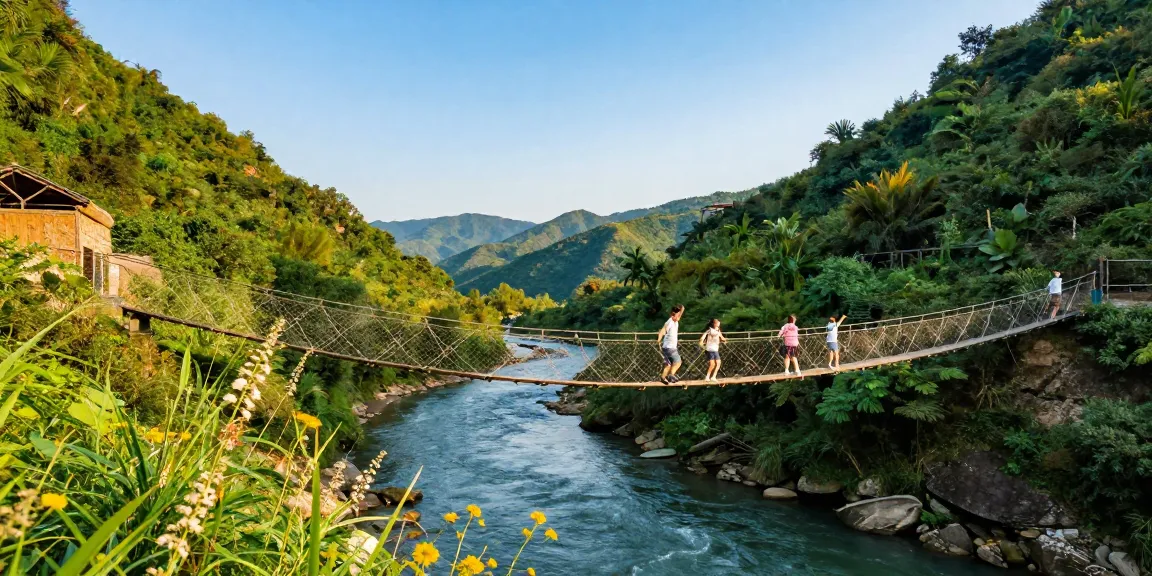
A river rope bridge is more than just a practical structure; it embodies a unique blend of engineering, culture, and adventure. These bridges create connections across natural obstacles, allowing people to traverse landscapes that would otherwise be hard to navigate. As we explore the significance and artistry behind river rope bridges, we delve into their historical context and evolving designs. For those interested in learning more about these fascinating structures, River Rope Bridge projects can provide comprehensive insights into their design and utility.
What is a River Rope Bridge?
Essentially, a river rope bridge is a suspension bridge that uses ropes and cables as its primary support structure. These bridges can vary dramatically in style and construction, from traditional designs woven from natural materials to modern interpretations utilising synthetic ropes and advanced engineering techniques. The allure of a river rope bridge lies not only in its functionality but also in the stunning views and experiences it can offer to those who dare to cross.
Historical Significance of Rope Bridges
Rope bridges have a rich history that dates back thousands of years, with many indigenous cultures utilising them for river crossings in regions with rugged terrain. The Incan civilization is perhaps the most renowned for its rope bridges, particularly the Qeswachaka, a grass-and-sisal bridge that is rebuilt annually by local communities. These structures were not merely practical; they were also vital in fostering trade, communication, and cultural exchange among distant groups.
Evolution of Rope Bridge Designs
The design of rope bridges has evolved significantly from their rudimentary beginnings. Early bridges often lacked safety features and were made from locally sourced materials. Modern rope bridges, however, incorporate advanced materials such as synthetic ropes and steel components, offering enhanced durability and safety. These innovations have made rope bridges suitable for various applications, including leisure activities, tourism, and emergency rescues.
Design and Construction of River Rope Bridges
The design and construction of river rope bridges require careful consideration of various factors, including environmental conditions, intended use, and safety standards. Understanding the construction techniques and materials used is essential for ensuring the longevity and functionality of these remarkable structures.
Materials Used in Rope Bridge Construction
Traditionally, natural materials such as jute, sisal, and even bamboo were used to create rope bridges. However, advances in material science have led to the adoption of synthetic materials, which provide greater strength and resistance to weathering. For example, nylon and polyester ropes are now commonly used due to their lightweight and high tensile strength.
Safety Standards and Best Practices
Safety is paramount in the design and construction of river rope bridges. Regulations often dictate specific load capacities, materials, and construction techniques to ensure that these bridges can withstand the forces of nature and human traffic. Best practices include regular inspections, maintenance, and the adherence to local and international safety standards to prevent accidents.
Innovative Techniques in Building Rope Bridges
Innovative techniques in building rope bridges focus on enhancing their safety and usability. This includes the use of computer-aided design (CAD) for precise planning and the integration of modular components that can be easily assembled or disassembled. Such techniques not only improve the efficiency of construction but also allow for the rapid deployment of bridges in emergency situations.
Benefits of River Rope Bridges for Communities
River rope bridges serve as more than just pathways; they can be catalysts for community development, tourism, and environmental stewardship. The benefits these structures provide are multifaceted, impacting various aspects of community life.
Enhancing Local Tourism Opportunities
One of the most significant benefits of river rope bridges is their potential to enhance local tourism opportunities. Scenic river crossings can attract visitors eager to experience nature and adventure. Communities can leverage these structures to promote outdoor activities such as hiking, rafting, and sightseeing, ultimately contributing to the local economy.
Promoting Outdoor Activities and Health
By facilitating access to previously unreachable areas, river rope bridges encourage outdoor activities that promote health and wellness. Whether it's walking, cycling, or birdwatching, these activities enhance physical health and encourage a greater appreciation for nature.
Accessibility and Community Connectivity
River rope bridges improve connectivity between communities by providing safe passage across natural barriers. This can significantly enhance access to essential services, schools, and markets, thereby fostering social cohesion and economic development.
Challenges in Maintaining River Rope Bridges
While river rope bridges offer numerous benefits, they also pose maintenance challenges that must be addressed to ensure their sustainability and safety.
Common Issues in Rope Bridge Maintenance
Common issues include wear and tear due to environmental conditions, such as moisture and UV exposure, which can degrade materials over time. Regular inspections are crucial to identify any signs of deterioration and prevent catastrophic failures.
Environmental Factors Affecting Durability
Environmental factors, such as flooding and erosion, can have a significant impact on the durability of river rope bridges. Engineers must consider these factors during the design phase to mitigate potential damage and ensure the structure remains viable over the years.
Strategies for Effective Bridge Management
Effective bridge management involves regular inspections, maintenance schedules, and community involvement. Educating local residents about the importance of maintaining these structures can lead to volunteer efforts in upkeep and repairs, fostering a sense of ownership and pride.
Future Trends in River Rope Bridges and Outdoor Activities
The future of river rope bridges is promising, especially with the incorporation of modern technology and an increasing interest in outdoor adventure tourism.
The Role of Technology in Bridge Construction
Advanced technology is set to revolutionise the construction of river rope bridges. Drones for surveying potential sites, 3D printing for custom components, and smart materials that can monitor structural health are all innovations that will enhance the building process and improve long-term maintenance.
Emerging Trends in Outdoor Adventure Tourism
The surge in outdoor adventure tourism presents opportunities for river rope bridges to play a central role in adventure sports. Activities such as zip-lining, bungee jumping, and water sports can be integrated into the experience of crossing a rope bridge, providing thrill-seekers with unique experiences.
Predictions for River Rope Bridges in 2026 and Beyond
Looking ahead to 2026 and beyond, river rope bridges will likely integrate more sustainable practices, including the use of eco-friendly materials and local craftsmanship. As communities increasingly value sustainable tourism and environmental conservation, these structures will become symbols of community resilience and natural beauty.
What are the maintenance requirements for a river rope bridge?
Maintenance requirements for a river rope bridge include regular inspections for wear and tear, cleaning of materials to prevent corrosion, and immediate repairs for any identified issues. Seasonal weather evaluations are also recommended to assess structural integrity post-storms.
How do river rope bridges compare to traditional bridges?
Compared to traditional bridges, river rope bridges are often more cost-effective to build and maintain, especially in rural or remote areas. They provide unique aesthetic appeal and are less intrusive on the natural landscape, allowing for more sustainable implementation.
What safety measures are essential for crossing rope bridges?
Essential safety measures include harnessing systems, weight limits per crossing, and clear signage to guide users. Additionally, it's crucial to ensure that users are educated on proper crossing techniques to enhance safety.
Where are the most famous river rope bridges located?
Some of the most famous river rope bridges include the Carrick-a-Rede Rope Bridge in Northern Ireland and the aforementioned Qeswachaka in Peru. These iconic structures are not only engineering feats but also significant cultural landmarks.
What activities can be enjoyed around river rope bridges?
Activities around river rope bridges can include hiking, birdwatching, photography, and educational tours about the ecological and historical significance of the bridges themselves. Many areas also offer guided adventure sports tailored to visitors looking for adrenaline-pumping experiences.