The Evolution of Celebrity Look-Alike Trends
Throughout history, the fascination with celebrity look-alikes has shaped the way we view fame and identity. Whether it's the uncanny resemblance between two famous faces or the rise of AI-driven apps that help people find their celebrity twins, the phenomenon of seeing double has morphed significantly over the years. As technology advances and social media flourishes, the concept of celebrities look alike continues to captivate audiences worldwide, impacting culture on multiple levels.
Historical Overview of Celebrity Look-Alikes
The idea of look-alikes is not new. It dates back to ancient civilizations, where artists would depict rulers and public figures in a manner that emphasized their features. In the 20th century, as the film industry boomed, doppelgängers became prominent in Hollywood, with actors like Lana Turner and Judy Garland often being compared due to their similar features. These comparisons were not merely a matter of appearance; they hinted at the cultural narratives built around celebrity personas.
Influence of Social Media on Look-Alike Popularity
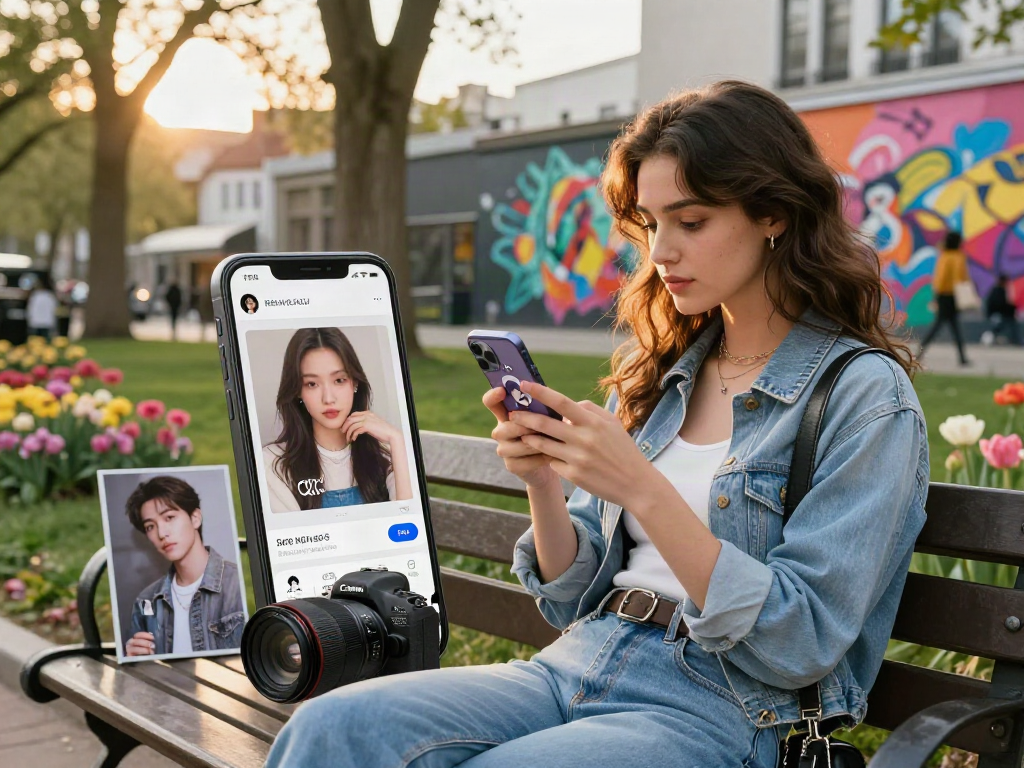
With the advent of social media platforms, the conversation surrounding celebrity look-alikes gained unprecedented traction. Platforms like Instagram and TikTok encourage users to share content, including selfies that boast celebrity resemblances. This democratization of fame allows more people to join the conversation, leading to viral trends where users try to identify their celebrity twins through filters or AI algorithms. Consequently, the desire to discover one’s lookalike has turned into a communal experience, driving engagement and interaction online.
How Celebrity Look-Alikes Have Changed Over the Years
As society progresses, the notion of what constitutes a celebrity look-alike evolves. Today's look-alikes come from diverse backgrounds and cultures, reflecting changes in societal values. The rise of globalization and cultural exchange means that the similarities between celebrities are often not limited to Western figures. Instead, more international personalities are now recognized for their parallels, enriching the tapestry of celebrity culture.
Technology's Role in Finding Celebrity Twins
In the digital age, technology plays a pivotal role in helping individuals discover who they resemble in the world of fame. From applications that analyze facial features to advanced algorithms that compare images, the tools available today provide instant gratification and validation. Understanding how technology is influencing the quest for celebrity resemblances gives insight into current trends.
AI and Machine Learning in Face Recognition
Artificial Intelligence (AI) and machine learning have revolutionized the way we identify look-alikes. Advanced facial recognition technology can analyze numerous features—from the shape of one’s jawline to the curve of one’s nose—to suggest celebrity matches. This technology enhances user experience by making the process faster and more accurate, enabling individuals to find their celebrity twins with just a few taps on their smartphones.
Top Apps for Discovering Your Celebrity Look-Alike
- StarByFace: This leading app uses a neural network to compare your face with a database of celebrity images, providing a list of your closest matches.
- Celebs Like Me: With a user-friendly interface, this app allows you to upload photos and see which celebrity you resemble the most.
- Face Shape Detector: This tool not only identifies your celebrity look-alike but also analyzes your face shape, making it a comprehensive resource.
Impact of Technology on User Experience
The availability of various apps and online sites has vastly improved the accessibility of finding celebrity doppelgängers. Users no longer need to rely solely on manual comparisons; instead, they can trust in sophisticated algorithms to deliver results quickly. The gamification of the experience—encouraging sharing on social media—also enhances engagement, as people showcase their findings and involve friends in the search for look-alikes.
The Psychology Behind Celebrity Look-Alike Fascination
Understanding why people are drawn to the notion of celebrity look-alikes delves into the psychological aspects of identity and self-perception. The connections forged between individuals and their celebrity counterparts reflect deeper societal influences and personal sentiments.
Why People Connect with Celebrities Who Look Alike
The allure of celebrity look-alikes often stems from a desire for connection. Individuals may feel an affinity with celebrities who share their features, believing that they mirror traits or stories that resonate with them. This connection can be particularly strong among demographics that see themselves represented in mainstream media.
Impact on Self-Image and Identity
Finding a look-alike can bolster self-esteem, providing a sense of belonging and validation. For some, resembling a beloved celebrity can enhance their self-image, serving as a form of social currency. Conversely, it can also lead to comparisons that negatively impact how individuals perceive themselves, reflecting the complex relationship between identity and celebrity culture.
Celebrity Culture's Effect on Society
The fascination with celebrity look-alikes extends beyond personal interests; it influences societal norms. The more society obsesses over who looks like whom, the more it reinforces the celebrity culture that dominates media landscapes. This can lead to unrealistic beauty standards and an overemphasis on appearance as a measure of worth, impacting public consciousness.
Celebrity Look-Alike Events and Communities
As the interest in celebrity look-alikes grows, so does the emergence of events and communities dedicated to these resemblances. Whether through contests or online platforms, there are myriad ways for people to celebrate their similarities to their famous counterparts.
Emerging Look-Alike Contests and Their Popularity
Look-alike contests have gained significant popularity in recent years, allowing participants to showcase their resemblances in fun and competitive environments. Events such as “Celebrity Doppelgänger Day” attract large crowds, fostering an atmosphere of excitement and community. These contests often become local celebrations, uniting people through their shared love for celebrity culture.
Online Communities Sharing Celebrity Look-Alikes
Online forums and social media groups dedicated to celebrity look-alikes are flourishing. Platforms like Reddit have created spaces where users can share images, discuss similarities, and even receive feedback on their own resemblance to various celebrities. These communities are vital for fostering connections among individuals who share a common interest in look-alikes.
Local Events Connecting Fans with Their Look-Alikes
Local events, such as themed parties or parades, are becoming popular as ways for fans to engage with their look-alikes. These gatherings offer opportunities for people to dress up as their celebrity counterparts, creating a fun environment where everyone can celebrate and appreciate their likenesses.
Future Predictions for Celebrity Look-Alike Culture
As we look to the future, the landscape of celebrity look-alikes will likely continue evolving, driven by technological advancements and cultural shifts. Predicting these changes offers insight into what we may expect in the coming years.
Emerging Trends for 2026 and Beyond
The trends surrounding celebrity look-alikes are predicted to expand further as AI technology becomes more sophisticated. Virtual reality (VR) experiences may be developed, enabling users to step into the shoes of their celebrity twins, featuring immersive interactions that mimic life as a star. The blending of entertainment and technology promises to push the boundaries of how we experience celebrity culture.
Predicted Advances in Technology for Celebrity Matching
Future developments in AI and facial recognition technology will likely enhance the accuracy and speed of celebrity matching. With enhanced databases and improved algorithms, users can expect more personalized and engaging experiences with celebrity look-alike apps. Innovations such as augmented reality (AR) filters could soon allow people to virtually try on celebrity looks for events, elevating the excitement around finding a look-alike.
Cultural Impact of Celebrity Look-Alikes in Coming Years
The ongoing fascination with celebrity look-alikes is expected to influence popular culture even more significantly. As awareness grows surrounding identity representation and societal norms, the narratives around look-alikes may shift towards celebrating diversity. Communities will likely become more inclusive, embracing differences while still finding joy in similarities.
What are the top celebrity look alike apps?
As discussed, top apps include StarByFace and Celebs Like Me, which have developed a robust user base due to their accuracy and engaging experiences.
How does facial recognition technology work?
This technology uses algorithms to analyze facial features, measuring proportions and distances between key points, to compare against a comprehensive database of celebrity images.
Why do people enjoy finding their celebrity doppelgängers?
Finding a celebrity look-alike can create a sense of connection and validation, serving as a form of social interaction and identity reinforcement.
Are look alike contests popular?
Yes, look-alike contests have gained traction as fun, community-driven events that celebrate similarities and foster engagement among participants.
How has social media changed the celebrity landscape?
Social media has democratized celebrity culture, allowing individuals to engage in the conversation and share their look-alikes, thus influencing public perception and trends.