Understanding the Attractive Test: A Comprehensive Overview
The concept of an attractive test has gained considerable traction in recent years, with various platforms leveraging advanced technologies to quantify beauty. At its core, an attractive test evaluates facial features, symmetry, and aesthetics, providing users with a comparative score based on specific beauty standards. Such assessments are not merely for entertainment; they hold a mirror to societal beauty norms significantly influenced by culture and media portrayal. When exploring options, attractive test tools offer comprehensive insights that delve into these nuances.
What Is an Attractive Test?
An attractive test is a digital tool designed to analyze facial attributes and provide a rating of attractiveness, typically on a numerical scale. By employing algorithms and AI technology, these tests evaluate various features such as symmetry, skin quality, and facial proportions. For instance, sophisticated models can detect facial landmarks and compute a score based on established beauty metrics—ranging from the golden ratio to skin texture analysis.
The Science Behind Attractiveness Measurements
Attractiveness is often thought of as subjective; however, scientific research has illuminated some criteria that are universally appealing. Studies have shown that facial symmetry plays a crucial role in perceptions of beauty; faces that are symmetrical are often rated as more attractive. This phenomenon can be attributed to the evolutionary perspective where symmetry may signal health and genetic fitness. Furthermore, other attributes like the proportions of facial features—such as the ratio of the eyes to the mouth—also significantly impact attractiveness scores.
Importance of Facial Symmetry and Features
Facial symmetry is more than just a mathematical concept; it’s a fundamental component of beauty. Human brains are wired to recognize patterns, and symmetrical faces are often easier to process. Various studies have suggested that individuals with more symmetrical facial features are perceived as more attractive, which can influence social interactions and self-esteem. Other features—like cheekbone height, jaw structure, and eye spacing—also contribute to the overall attractiveness score and have cultural significance depending on the prevailing beauty trends.
How to Take the Perfect Photo for Your Attractive Test
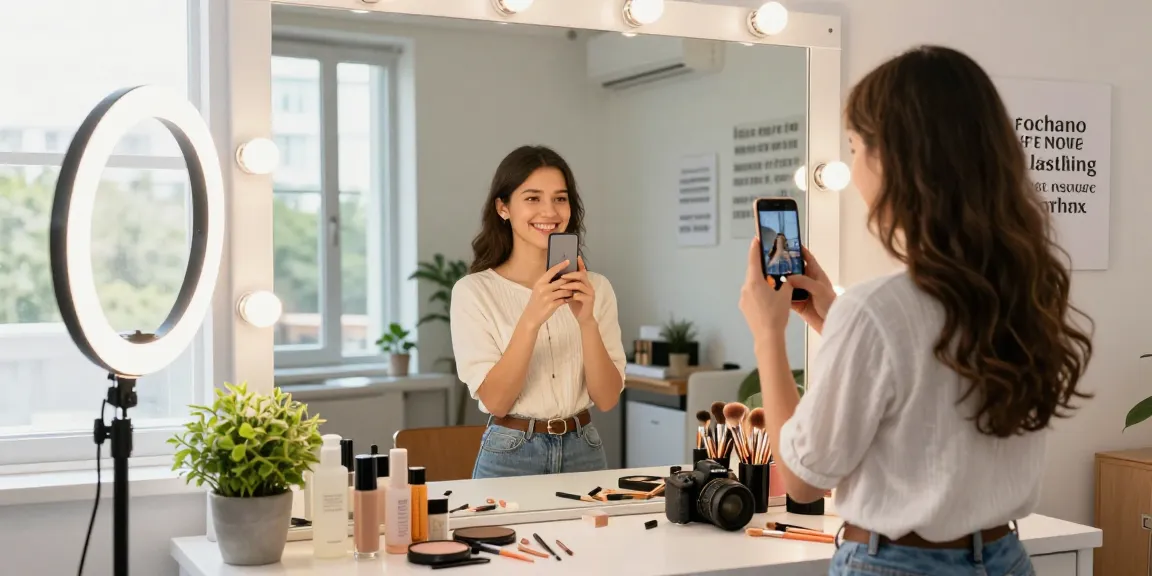
To achieve an accurate and favorable result from an attractive test, it's essential to present yourself in the best possible light. Lighting, angle, and background can dramatically affect how your features are perceived in a photograph. By following best practices, you can ensure that your photo captures your natural beauty effectively and resonates well with evaluation algorithms.
Best Practices for Lighting and Angles
Good lighting is key to any photograph. Natural light, preferably during the golden hour—shortly after sunrise or before sunset—provides soft illumination that enhances your features without harsh shadows. Avoid overhead lighting, which can create unflattering shadows on your face. Additionally, finding your best angle is crucial; most people look best with a slight rotation of their face rather than a full-frontal shot. Experiment with different angles to find one that highlights your unique features.
Choosing the Right Background for Your Selfie
The background of your photo plays a significant role in how your features are showcased. A clutter-free background ensures that the focus remains on you, while colors that complement your natural tones can enhance the overall aesthetic. Preferably, opt for muted or neutral colors that won’t detract from your appearance. For instance, a soft monochrome backdrop can create a striking contrast with your facial features.
Using Technology to Enhance Your Images
In today’s digital age, technology can aid in enhancing your appearance for photographs. Consider using applications that allow for slight adjustments—like improving skin texture or correcting lighting—in moderation. However, it’s important to remain authentic; over-editing can lead to unrealistic portrayals that may not translate well during an attractiveness assessment.
Common Misconceptions About the Attractive Test
The rise of attractive tests has also given birth to a myriad of misconceptions regarding their implications and accuracy. Understanding these myths is pivotal for users to approach beauty evaluations with a healthy mindset and realistic expectations.
Debunking Myths Related to Attractiveness Scoring
One common myth is that attractive tests provide an absolute measure of self-worth. In reality, while these assessments offer insights into beauty standards, they do not define an individual’s value or potential. A low score does not equate to a lack of attractiveness; rather, it reflects specific criteria used by the algorithms that are influenced by cultural and societal trends, which can vary greatly across different regions and communities.
Understanding Subjectivity in Beauty Standards
Beauty is deeply subjective and can be influenced by personal experiences, cultural backgrounds, and current trends. What one individual finds attractive, another may not. Thus, it’s essential to understand that attractive tests are based on generalized norms and might not encompass the vast diversity of beauty everywhere.
Clarifying the Role of AI in Attractiveness Tests
Another misconception is that AI-driven tests can objectively quantify beauty without any biases. While AI can analyze facial aesthetics based on data, it can also perpetuate existing societal biases present in the data sets it was trained on. Users should be cautious and recognize that these evaluations are tools for fun and exploration rather than definitive measures of beauty.
Strategies to Improve Your Attractiveness Score
While genetic factors play a role in attractiveness, there are various strategies individuals can employ to enhance their appearance and potentially improve their attractive test scores. These tips focus on enhancing natural beauty and embracing personal style.
Beauty Tips for Enhancing Natural Features
Start with a holistic approach to beauty by embracing your natural features. Highlighting your best attributes can dramatically affect how others perceive you. For example, using makeup to enhance your eyes or lips can draw attention to these features, while maintaining a natural look. Additionally, cultivating confidence through self-love can radiate beauty from within.
Skincare Routines for Glowing Skin
Skincare plays a vital role in how you present yourself. A consistent skincare routine tailored to your skin type can improve texture, tone, and overall radiance, contributing to a more favorable attractiveness evaluation. Focus on hydration, exfoliation, and sun protection to achieve healthy, glowing skin. Additionally, consider consulting with dermatologists for personalized recommendations.
Makeup Techniques to Highlight Your Best Attributes
Makeup is a powerful tool for enhancing beauty. Techniques such as contouring can define facial structure, while highlighters add a luminous finish to the skin. Understanding your unique face shape and features will help you apply makeup in a way that accentuates your strengths. Tutorials and beauty influencers can provide insightful tips tailored to various looks and occasions.
The Future of Attractive Tests and AI Technology
The landscape of attractive tests is evolving rapidly, driven by advancements in AI technology and shifts in societal beauty standards. As we look toward the future, several trends are emerging that will shape the way beauty is perceived and assessed.
Emerging Trends in Beauty Assessment Tools
As technology continues to advance, beauty assessment tools are likely to become more sophisticated. Future tests may incorporate more nuanced AI algorithms capable of analyzing a wider range of features while providing a deeper understanding of individual beauty. Moreover, personalization based on user data could lead to tailored insights that are more reflective of one’s unique attributes.
Predictions for Attractiveness Standards in 2026
By 2026, we can anticipate a shift in attractiveness standards that embraces diversity more comprehensively. The beauty industry is gradually acknowledging the importance of representation and inclusivity, leading to a more varied interpretation of beauty beyond traditional norms. This evolution is essential for fostering self-acceptance and encouraging individuals to appreciate their unique traits.
The Integration of Virtual Reality in Beauty Testing
Virtual reality (VR) technology is set to revolutionize beauty testing by providing immersive experiences that allow users to visualize different looks and styles. Such platforms could offer real-time feedback on how changes in hairstyle, makeup, or even facial features affect attractiveness scores. This could empower users to make informed decisions regarding their appearance.
What Are the Benefits of Taking an Attractive Test?
Taking an attractive test can offer several benefits that go beyond entertainment. These assessments can provide individuals with valuable insights into their appearance and how they align with current beauty standards.
Can the Attractive Test Boost Confidence?
For many, an attractive test can serve as a confidence booster. Understanding one’s attractiveness score can help individuals embrace their beauty and appreciate their unique features. Moreover, feedback from these tests can motivate individuals to enhance their appearance positively, fostering self-improvement and confidence.
Are There Ethical Considerations in Using AI for Beauty?
While attractive tests can be fun and insightful, they also raise ethical considerations regarding the implications of AI in beauty assessments. Issues of privacy, data security, and the reinforcement of unrealistic beauty standards are crucial points of discussion. As technology continues to advance, it’s imperative for developers to prioritize ethical practices and ensure that users are treated with respect.