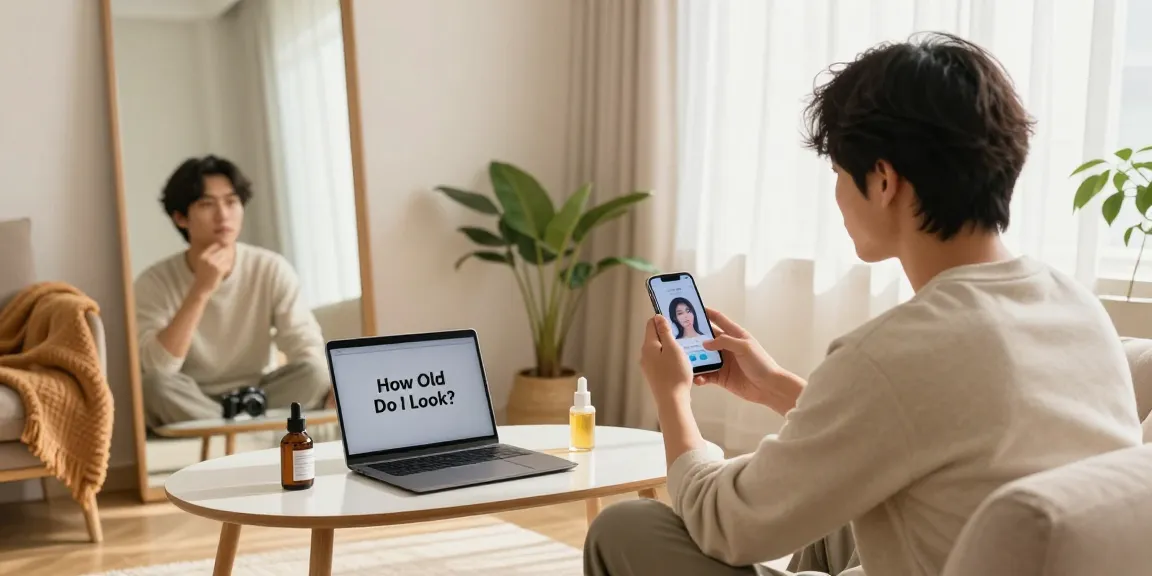
Understanding Facial Age Estimation
The question “how old do I look?” has intrigued many, prompting the rise of various age estimation tools powered by artificial intelligence. These tools leverage advanced algorithms to analyze facial features and provide users with a quick estimate of their perceived age. But what exactly is facial age estimation, and why is it gaining traction? This comprehensive guide explores the intricacies of age estimation, its accuracy, and how technology is shaping our understanding of aging.
What Is Facial Age Estimation?
Facial age estimation refers to the process of determining a person’s perceived age through the analysis of their facial features. This often involves using algorithms to evaluate various aspects such as skin texture, facial wrinkles, and other markers of aging. With the emergence of AI and machine learning, these tools have become increasingly sophisticated, allowing for real-time analysis that is accessible to anyone with a smartphone or computer.
How Accurate Are Age Estimation Tools?
While facial age estimation tools can provide a general idea of how old someone might appear, their accuracy can vary. Many factors influence the results, including lighting conditions, image quality, and even the tool’s underlying algorithm. Studies have shown that advanced AI models can achieve accuracy rates of around 80-90% when trained on large datasets. However, users should view these results as estimates rather than definitive conclusions about their age.
The Science Behind AI Age Analysis
The technology used in age estimation relies heavily on deep learning and neural networks. These systems are trained on millions of images across different age groups, teaching the AI to recognize patterns that correlate with aging. As the technology evolves, we can expect these systems to become even more accurate, taking into account a broader range of factors that influence facial appearance.
Choosing the Right Age Estimator Tool
With the plethora of options available, selecting the best tool to determine "how old do I look" can be an overwhelming task. Here are some key features to consider when evaluating different applications.
Top Features to Look For
- User-friendly Interface: A straightforward design simplifies the age estimation process, making it more accessible to a wider audience.
- Privacy Measures: Ensure that the tool prioritizes user privacy by securing personal data and offering anonymity in its usage.
- Real-time Feedback: Many tools offer immediate results, allowing users to instantly see their estimated facial age.
- Variety of Filters: Some applications provide additional features, like skincare recommendations based on the perceived age.
Comparing Popular Applications
Some of the most widely used age estimation tools include FaceAge.ai, Fotor, and BeautyPlus. Each platform offers unique features, such as the ability to analyze skin quality or provide skincare tips. When comparing applications, consider their accuracy ratings and user reviews to determine which one suits your needs best.
User Privacy and Data Security Considerations
In an age where data privacy is paramount, it’s crucial to understand how your information will be used when using age estimation apps. Check for transparency regarding data storage and sharing practices. Applications that prioritize user privacy often provide clear policies outlining how user data is handled.
How Does Age Estimation Work?
Image Processing Techniques Explained
Age estimation tools utilize several image processing techniques to analyze facial features. This includes edge detection, texture analysis, and feature extraction, all of which help the algorithm identify age-related traits. By comparing these traits to a database of known age markers, the algorithm can generate an estimated age.
Machine Learning in Age Prediction
Machine learning models train on vast datasets to improve their predictive abilities. By continuously refining their algorithms, they can better recognize patterns that distinguish younger faces from older ones. Advanced models can even adjust their predictions based on additional factors like ethnicity and gender, enhancing accuracy.
Understanding the Role of User Input
User input, such as the type of photo or the conditions under which it was taken, plays a significant role in the accuracy of age estimation. For instance, a well-lit image is more likely to yield accurate results than one taken in poor lighting. Ensuring high-quality inputs can improve the reliability of the age estimate.
Benefits of Knowing Your Perceived Age
Impact on Self-Confidence and Wellbeing
Understanding how old you look can have profound effects on your self-confidence. For many, looking younger than their actual age can boost self-esteem, while others might seek to address perceived aging signs through skincare and lifestyle changes. This awareness can encourage healthier habits, ultimately leading to improved wellbeing.
How It Can Influence Your Skincare Routine
Knowing your perceived age can significantly influence your skincare practices. Identifying markers associated with aging can help users tailor their skincare routines to address specific concerns, such as dryness, wrinkles, or uneven skin tone. By implementing targeted solutions, individuals can achieve healthier and more radiant skin.
Social Perception: Does Age Matter?
In today’s society, age plays a pivotal role in how individuals are perceived. Age estimation can provide insight into societal standards of youthfulness and attractiveness, influencing personal and professional interactions. Understanding these dynamics can empower individuals to navigate social situations more effectively.
Future Trends in Age Estimation Technology
Emerging Technologies to Watch in 2026
As technology continues to advance, we can expect significant improvements in age estimation tools. Innovations like augmented reality and enhanced machine learning algorithms will make these tools more interactive and precise. The integration of biometric data could also provide more personalized insights into facial aging.
Personalization in Age Estimation
Future applications will likely emphasize personalized experiences, allowing users to receive tailored recommendations based on their age estimates. This could include customized skincare routines and lifestyle suggestions, aimed at promoting healthier aging.
Industry Implications and User Acceptance
The growing acceptance of AI-driven technologies in the beauty and healthcare industries will shape how we perceive and interact with age estimation tools. As these applications become more commonplace, consumers may embrace them as part of their daily lives. Businesses can leverage this technology for marketing purposes, tailoring campaigns based on perceived age demographics.
What are the Benefits of Knowing Your Perceived Age?
In addition to boosting self-esteem and influencing skincare routines, knowing your perceived age can enable better health monitoring. Insights derived from age estimations can encourage proactive health measures, such as increased sun protection, hydration, and regular check-ups, fostering a holistic approach to aging.
How Do AI Age Estimators Work?
AI age estimators work through sophisticated algorithms that analyze various facial attributes. By comparing these attributes against a database of images, the software generates an estimated age. This process undergoes continuous refinement as machine learning models adapt based on new data and user feedback.
Can Age Estimation Affect Your Branding?
For businesses, understanding perceived age demographics can significantly impact branding efforts. Companies can adapt their marketing strategies based on the age range they wish to appeal to, ensuring that their messaging resonates with target audiences. This data-driven approach can enhance engagement and improve overall brand perception.