How Does an Induction Heater Actually Work Behind the Scenes? Discover Essential Insights for 2026
 admin
admin 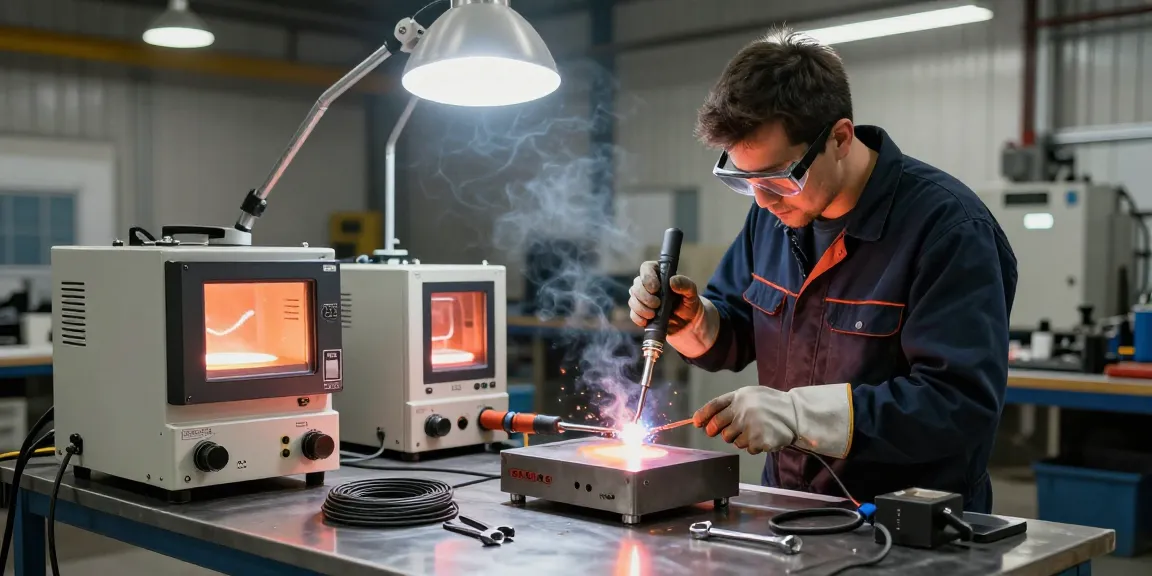
Understanding Induction Heating Technology
Induction heating technology represents a significant advancement in thermal processing, primarily utilized in metalworking and manufacturing. This method involves the use of electromagnetic fields to generate heat directly within the material, thereby eliminating the need for traditional heating methods that rely on external heat sources. This innovative approach provides a multitude of advantages, such as increased efficiency, precision, and reduced energy consumption. When exploring options, induction heater solutions are ideal for a variety of applications across multiple industries.
What is an Induction Heater?
An induction heater is a device designed to heat conductive materials using the principle of electromagnetic induction. When an alternating current passes through a coil, it generates a magnetic field that induces electric currents (known as eddy currents) in the metallic workpiece. This process results in rapid heating due to the resistance of the material to the induced current, making induction heaters exceptionally useful for processes such as melting, brazing, and welding.
Principles of Induction Heating and Energy Efficiency
The efficiency of induction heating arises from its ability to convert electrical energy directly into thermal energy within the metal. Because the heat is generated within the material itself, it allows for rapid heating times and minimal energy loss. For instance, induction heating can reach temperatures required for applications like soldering or welding in mere seconds, leading to shorter cycle times and increased productivity in industrial settings.
Key Components of an Induction Heating System
- Induction Coil: This component is crucial as it generates the magnetic field necessary for heat induction. The design of the coil can vary significantly based on the application.
- Power Supply: It provides the alternating current needed for the coil. Modern systems often feature inverter technology that allows for greater efficiency and control over heating parameters.
- Workpiece: The material being heated must be conductive; materials such as iron, steel, and copper work well with induction heating.
- Control System: Advanced systems include digital PID controllers that allow operators to precisely manage temperature and heating time.
Benefits of Using an Induction Heater
Unmatched Precision and Control in Metalworking
Induction heaters provide unparalleled accuracy in temperature control, a critical factor in metalworking processes. With systems capable of achieving temperature accuracy within ±1°C, manufacturers can ensure consistent results across batches. This precision minimizes the risk of overheating and allows for fine-tuning of processes such as brazing and annealing, enhancing the overall quality of the finished product.
Energy Efficiency and Cost Savings Explained
One of the most compelling benefits of using induction heaters is their energy efficiency. Compared to traditional heating methods, induction heating can reduce energy consumption by up to 50%. This efficiency does not only result in lower electricity bills but also contributes to a reduced carbon footprint. The quick start-up times and effective heat generation mean that operational costs can be significantly decreased as well.
Sustainable Benefits and Environmental Considerations
As industries move towards greener practices, induction heating stands out for its sustainable characteristics. The absence of open flames reduces the risk of fire hazards and minimizes the release of harmful emissions. Additionally, with less wasted energy, induction heaters provide a cleaner operation, aligning perfectly with modern environmental standards and regulations.
Applications and Industries Utilizing Induction Heaters
Induction Heating in Metal Processing and Fabrication
In metal processing, induction heating is predominantly used for applications such as melting, forging, and heat treatment. The metalworking industry benefits from reduced cycle times and improved metallurgical properties. For example, when forging metals, induction heating ensures uniform heating, leading to better material integrity and performance.
Role of Induction Heaters in the Automotive Industry
The automotive industry has embraced induction heating for various applications, including hardening of engine components and efficiently assembling parts. The precision and speed of induction heating allow automotive manufacturers to meet stringent quality standards while optimizing production processes.
Induction Heating for Medical Equipment Manufacturing
Induction heaters are also critical in the fabrication of medical devices, where precise heating is essential for applications like sterilization and component assembly. The ability to control the heat applied to delicate components ensures that manufacturing adheres to strict medical standards, resulting in high-quality, reliable products.
Choosing the Right Induction Heating Solutions
Factors to Consider When Selecting an Induction Heater
When selecting an induction heater, several factors must be considered, including the size and type of workpiece, desired heating speed, and control requirements. Understanding the specific needs of your application can significantly influence the choice of equipment and system design.
Custom Solutions: Tailoring for Unique Applications
Every application presents unique challenges, and KEXIN induction heaters offer customizable solutions. From coil design to modular power units, these systems can be tailored to meet individual requirements, whether for small-scale laboratory settings or large industrial environments.
Comparing Different Types of Induction Heating Equipment
There are various types of induction heating equipment available, each suited for specific applications. High-frequency induction heaters are ideal for brazing and soldering, while medium-frequency systems are more appropriate for melting operations. Understanding these distinctions helps manufacturers choose the most effective system for their needs.
Future Trends in Induction Heating Technology
Emerging Innovations and Technological Advancements
The induction heating industry is at the forefront of technological innovation, with advancements such as AI integration for improved control and monitoring. These technologies promise to enhance productivity and operational efficiency, positioning induction heating as a leader in thermal processing.
Market Predictions for Induction Heating in 2026
As demand for energy-efficient solutions grows, the induction heating market is expected to expand significantly by 2026. Innovations in inverter technology and the increasing adoption of electric vehicles will drive growth, presenting manufacturers with new opportunities.
How to Stay Ahead in the Induction Heating Industry
To maintain a competitive edge, businesses should stay informed about the latest trends and technologies in induction heating. Investing in training and adopting state-of-the-art equipment can help manufacturers respond to changing market demands and improve their operational capabilities.
What are the advantages of using an induction heater?
Induction heaters offer numerous advantages, including rapid heating times, energy efficiency, safety with non-contact heating, and the ability to achieve precise temperature control. These features make them indispensable in modern manufacturing environments.
How does induction heating compare to traditional methods?
Compared to traditional heating methods, induction heating is faster, more energy-efficient, and produces fewer emissions. Traditional methods may require longer heating times and result in more wasted energy due to heat loss, whereas induction heating optimizes the heating process directly within the material.
Can induction heaters be used for home applications?
Yes, induction heaters can be adapted for home applications, particularly in areas like cooking and small repairs. They provide a cleaner and safer alternative for heating tasks around the house.
What maintenance do induction heaters require?
Induction heaters typically require minimal maintenance. For more information, induction welder offers valuable insights. Regular inspection of coils, power supplies, and control systems is crucial to ensure optimal performance. Keeping the equipment clean and well-calibrated will prolong its lifespan and maintain efficiency.
Is induction heating safe for industrial use?
Induction heating is considered safe for industrial applications due to its non-contact heating process, which minimizes the risk of burns and fire hazards. Safety features in modern induction heaters further protect operators and equipment from faults and failures.